

Politics Is Inevitable, Decline Isn’t
Plus: The cost of net zero


In today’s newsletter:
Yet more bad news on GDP
The cost of net zero
Should we ban under-16s from social media?
It has been a tumultuous week in British politics. The ongoing drama on the right, with Robert Jenrick’s defection to Reform, has consumed Westminster’s attention. Yet for all the noise, the latest GDP figures are a stark reminder of the increasing fragility of the British economy.
While November’s headline growth of 0.3 per cent was better than some had feared, it should not be a cause for celebration. Monthly GDP data are always volatile, and the broader picture remains deeply troubling. The British economy is bumping along at very slow rates of growth. Per capita GDP is at the same level as 2022 and is in fact only 7% above the levels just before the 2008 financial crash, getting on for twenty years ago. We are in a period of serious economic stagnation. If you don’t feel you’re getting better off, you’re right.
November’s growth of 0.3% in services included a sudden 4.6% jump in accounting and tax consultancy. It’s not hard to see why. Mounting uncertainty before the budget created more work for advisers, but hardly helped the real economy.
There are many more areas of continued weakness. Construction activity fell sharply again, consumer and business confidence remain subdued, and forward-looking survey data in sectors such as retail and construction point to further weakness ahead.
The uncomfortable truth is that the government talks about growth but is doing very little to pursue it in practice. Instead, it has chosen to prioritise redistribution, higher spending, and an ever-expanding role for the state. The result is a sustained assault on the “animal spirits” that drive private investment, innovation, and job creation. Without a decisive change in course, Britain risks remaining trapped in a vicious cycle of weak growth, worsening public finances, and ever higher taxes.
Political drama may be unavoidable. Economic decline is not. If we are serious about prosperity, we must return to first principles: a smaller, leaner state; lower and simpler taxes; and a renewed commitment to free enterprise. That is the only credible route out of Britain’s economic malaise.
David Frost, Lord Frost of Allenton
Director General
The best way to never miss out on IEA work, get access to exclusive content, and support our research and educational programmes is to become a paid IEA Insider.
IEA Podcast: Head of Media Reem Ibrahim is joined by Director General David Frost and Energy Analyst Andy Mayer to discuss November’s GDP figures, the cost of Net Zero, and the war on digital freedom — IEA YouTube
The Cost of Net Zero
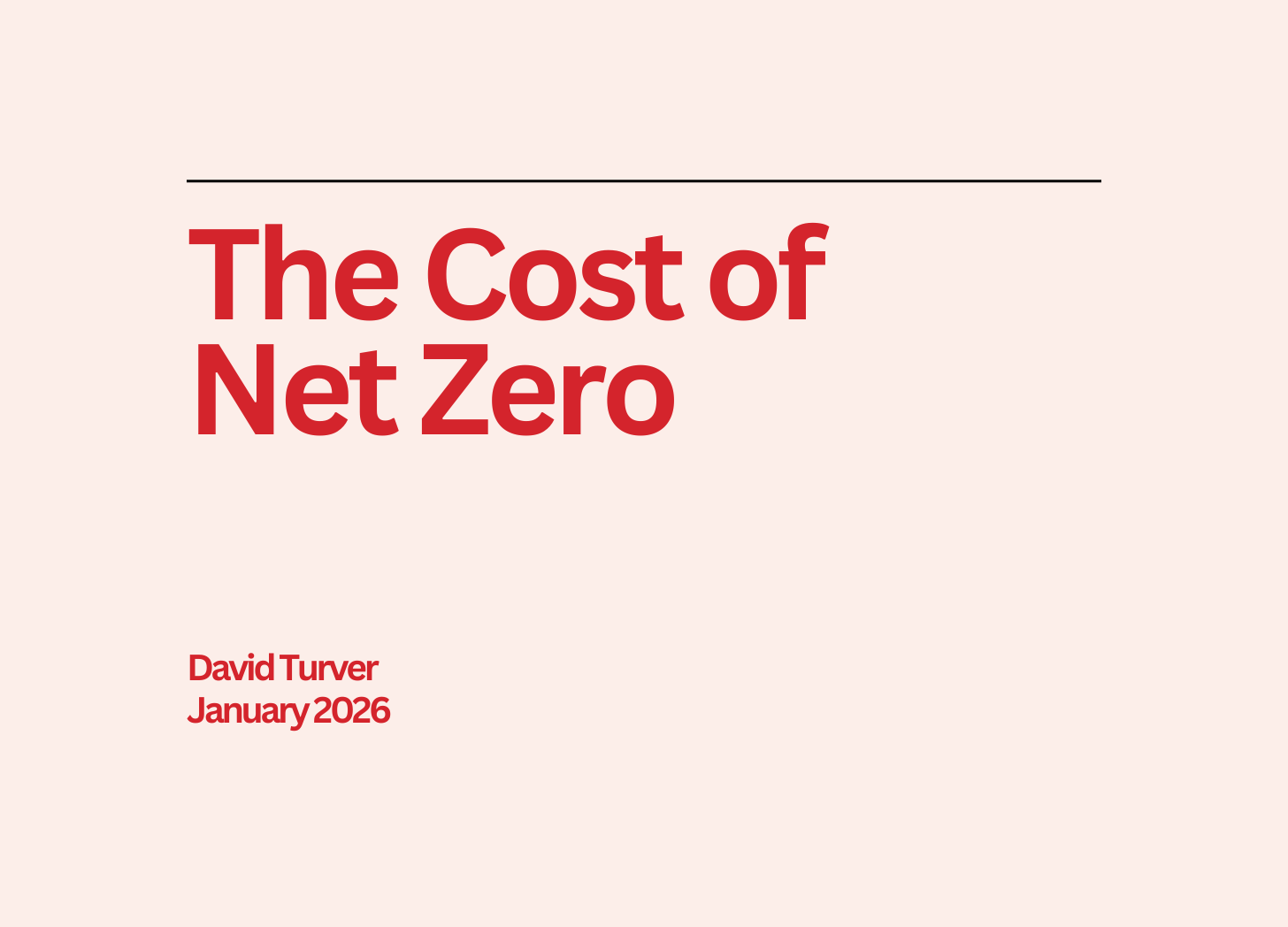
New analysis published by the Institute of Economic Affairs suggests gross costs of net zero could exceed even the highest official predictions of £7.6 trillion
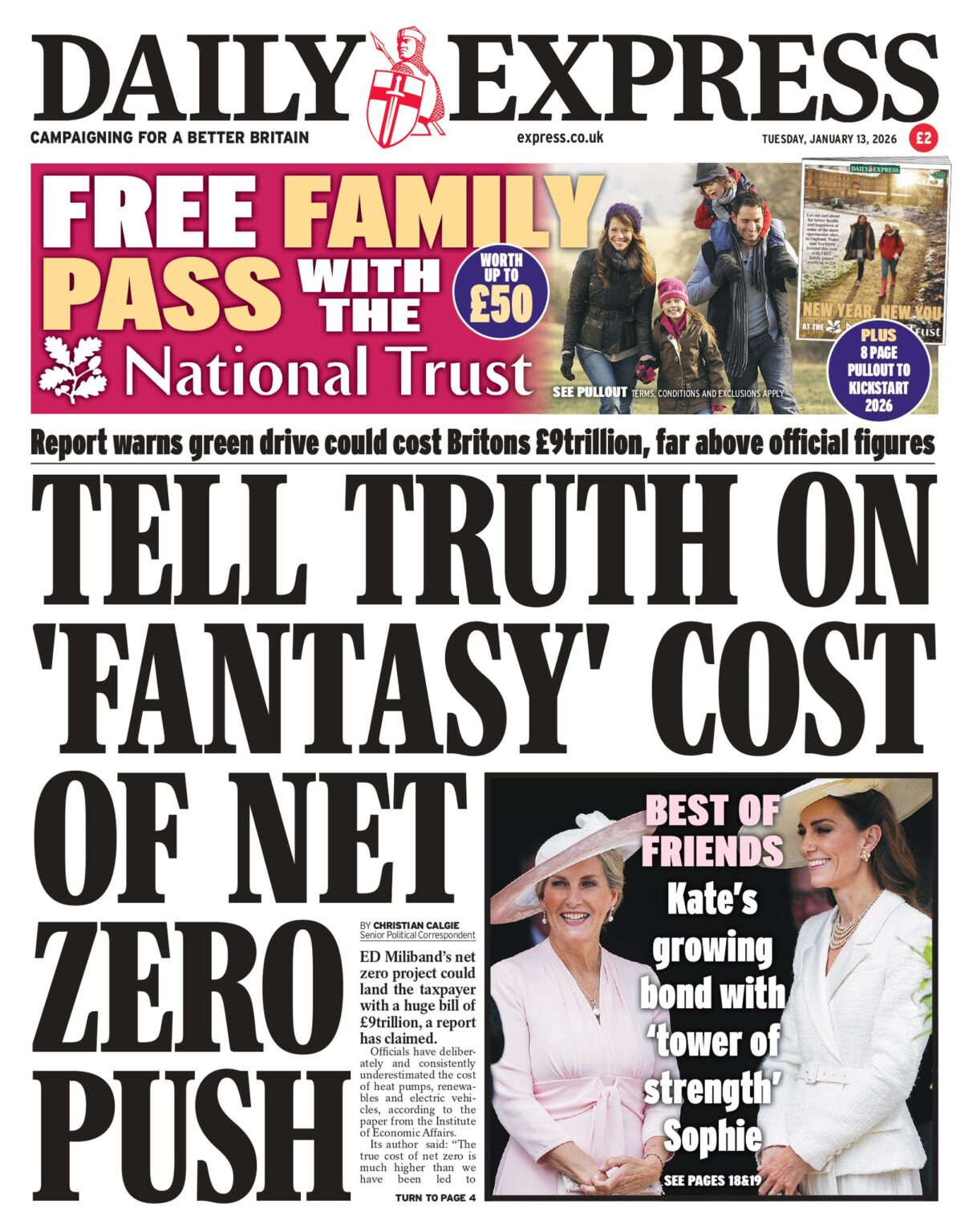
Official estimates of the cost of net zero are often driven by “fantasy assumptions”
Public bodies have consistently underestimated the cost of renewables, heat pumps and electric vehicles, while assuming implausibly low borrowing costs
New analysis warns that misleadingly low figures risk shutting down serious democratic debate over one of the most expensive policies in British history
Tell Truth on ‘fantasy’ cost of net zero push, Daily Express splash
REPORT: True Cost of Net Zero to Hit £9 Trillion by 2050, Gudio Fawkes
Net Zero could cost billions more than estimated, Business Money
Ed Miliband’s really done it this time – and he’s hell-bent on continuing, Daily Express
Public officials ‘not truthful’ about ‘fantasy’ net zero costs, CityAM
Why Net Zero Will Bankrupt Britain | Free the Power, Energy Analyst Andy Mayer interviews David Turver, IEA YouTube
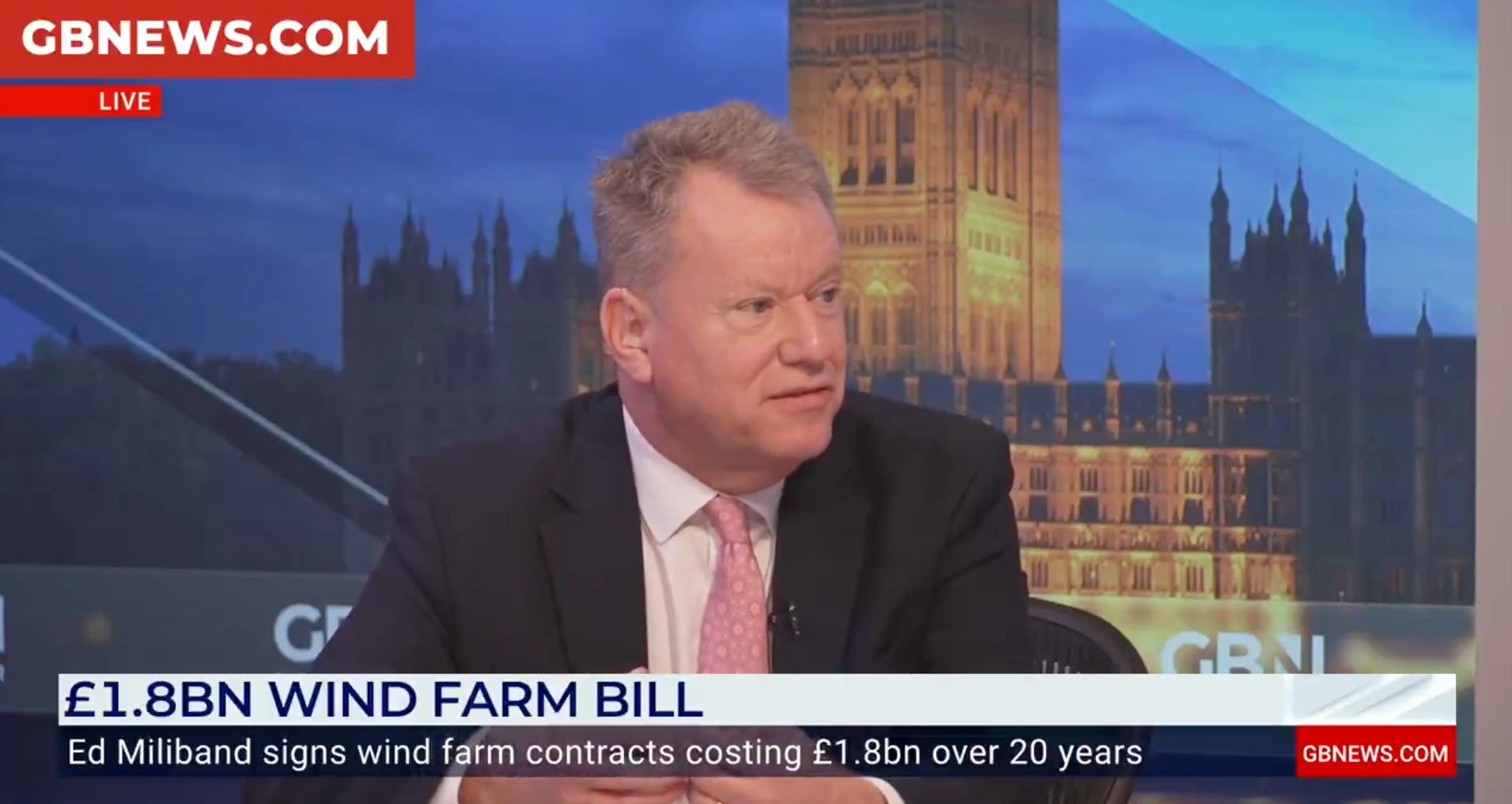
Director General David Frost on GB News
News and Views
Director General David Frost appeared on the Camilla Tominey Show on GB News

What is Market Failure? Episode 3 | Economics 101, Education Fellow Dr Steve Davies, IEA YouTube
“We’ve got to get the state out of the economy”, Director General David Frost on Times Radio
A social media ban in Britain could backfire spectacularly, Public Policy Fellow Matthew Lesh, The Telegraph
The biggest threats children face come from the real world, not from the internet… While parents may justifiably want more control over their children’s online experience and have a burning desire to keep them safe, the answer cannot be to remove children’s right to communicate, stay connected and grow in our modern digital world.
Labour’s zero-alcohol crackdown makes no sense, Head of Lifestyle Economics Chris Snowdon, The Spectator
This is a solution looking for a problem. Some people have said that banning kids from buying non-alcoholic beer would damage pubs. That is stretching it. The problem is not that such a ban would have serious negative consequences; it is that it would be a pointless waste of time and a legal minefield. It is as if Rishi Sunak were still in charge. This is what happens when you start running out of things to ban.
Did killers make the modern world?, Editorial Director Kristian Niemietz quoted in the Economist
The slave trade was no weightier in the British economy than sheep farming, yet few people claim that “sheep farming financed the Industrial Revolution”, notes a study by Kristian Niemietz of the Institute of Economic Affairs, a free-market think-tank.
Head of Media Reem Ibrahim appeared on LBC Cross Questions with Ian Dale

Less than super models, Head of Lifestyle Economics Chris Snowdon, The Critic
Notwithstanding the fact that the UK’s childhood obesity measure is worthless, the rate among 10-11 year old girls was 18 per cent when the sugar tax was introduced and is currently 19.6 per cent. But those are only the facts. A model says it fell and in the world of “public health”, that’s all that matters.
Growth… but it’s barely above zero, Economics Fellow Julian Jessop quoted in the Daily Express
Julian Jessop, from the Institute of Economic Affairs, said: “The economy still contracted in five of the eight months to November, leaving trend growth barely above zero.”
The Great Millionaire Exodus: Why the UK Ranks Worst for Capital Flight, Managing Editor Daniel Freeman interviews Andrew Henderson, IEA YouTube
Callum Price: ID cards are just the sort of policy that get in the way of actually doing something useful, Director of Communications Callum Price, ConHome
The debate over ID cards in the UK is old.
The arguments for and against are long, multitudinous, and extremely well-trodden, and they have only grown longer as the prospect of a digital ID card has been rendered a real possibility by technology.
“Taxation Is Theft?” | Reem Ibrahim Meets Dr Sohail Hanif, Head of Media Reem Ibrahim, National Zakat Foundation
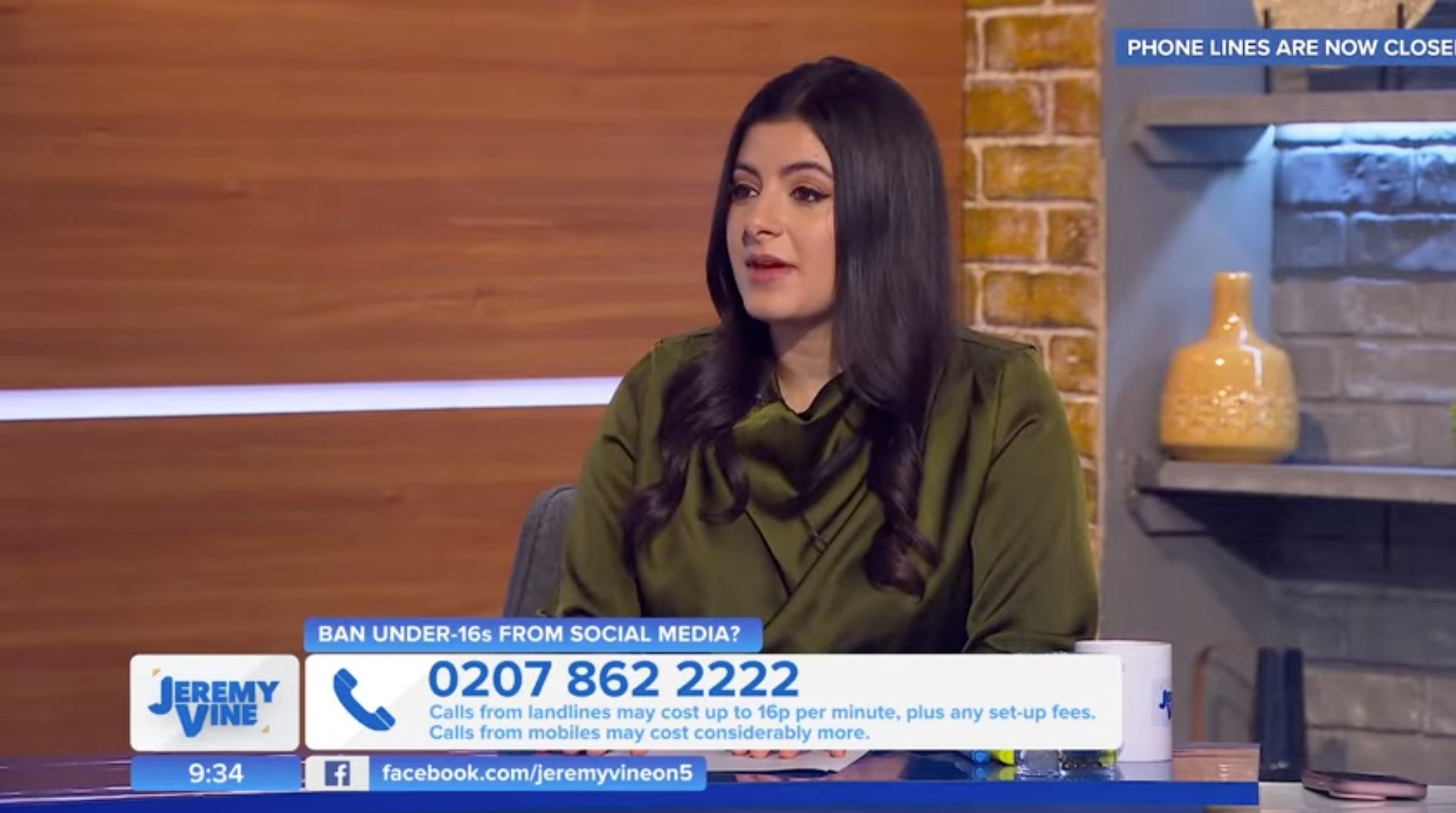
Ban under-16s from social media?, Head of Media Reem Ibrahim on the Jeremy Vine Show
Debate: Brexit has done more harm than good, Head of Media Reem Ibrahim, Debate House